
Case Study: EV Innovation Strategy for Automotive Services
Challenge
A privately held, global automotive services and technology provider with over $1B in annual revenue faced a strategic risk during the early part of the shift to vehicle electrification. Much of its core capability base was built around internal-combustion vehicles and there was no clear path to address the long-term market disruption from electric vehicles.
The client recognized that EV adoption would change the services, equipment, technical capabilities, and end-of-life processes required across the automotive value chain. Battery management, high-voltage system repair, component refurbishment, charging infrastructure, and recycling would require different capabilities than the company’s legacy vehicle services.
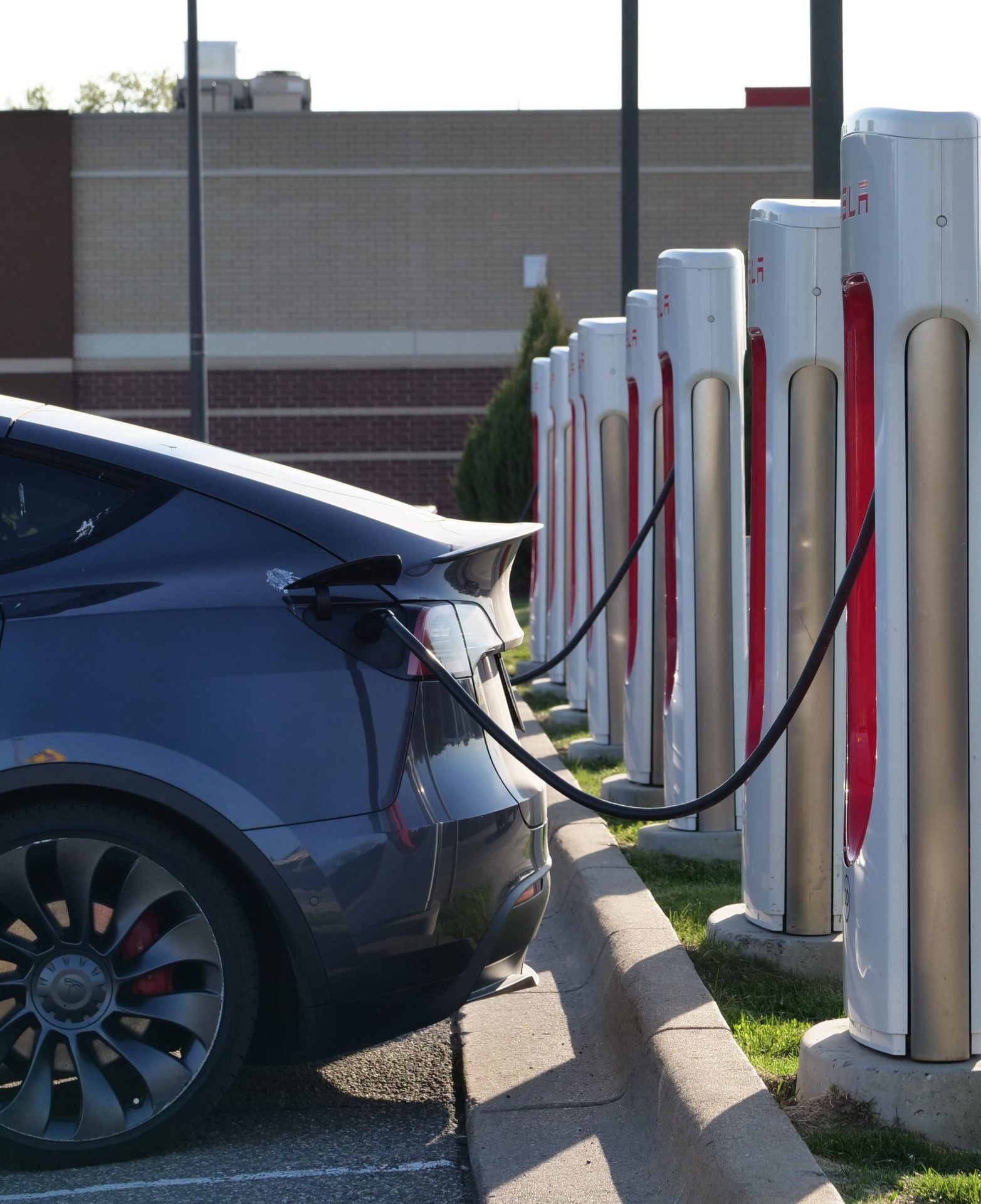
This shift created opportunities along with the threats. New entrants and existing competitors could capture emerging EV-related market share, but the client also had transferable capabilities that could be adapted into high-value EV market positions.
The client engaged my team to assess the changing market, identify capability gaps, and develop an innovation strategy to guide where the organization should focus its resources over the next 5–10 years.

Approach
We began by assessing the client’s current capabilities using public information, internal discussions, and leadership input. In parallel, we evaluated the EV market, including expected changes in vehicle service requirements, battery lifecycle management, charging infrastructure, and end-of-life decommissioning and recycling.
We compared the client’s existing capabilities against those likely to be required by a mature EV market. This helped us identify where the client had transferable strengths, where capability gaps existed, and where emerging industry needs could create attractive opportunities.
The final strategy prioritized areas where the client could adapt existing knowledge, build new capabilities, and focus innovation investment on high-value parts of the EV market. The work helped leadership move from a broad awareness of EV disruption to a more focused innovation roadmap for building relevant capabilities ahead of market demand.
Business Outcomes
In the years following the engagement, the client continued to grow despite industry headwinds including high interest rates, reduced EV incentives, and supply chain disruption. Several areas identified as strategically important later became visible parts of the client’s EV market position, including:

The engagement helped the client identify where existing capabilities could be transferred, where new capabilities needed to be developed, and where focused innovation investment could support a stronger position in the emerging EV service and technology market.
Related capability: This case reflects the type of capability-based innovation strategy that helps manufacturing, technology, and industrial companies respond to market disruption, prioritize innovation investment, and build new growth platforms before demand fully matures.